Safe in the Saddle: Fall Prevention and First Aid for Cyclists on Mallorca
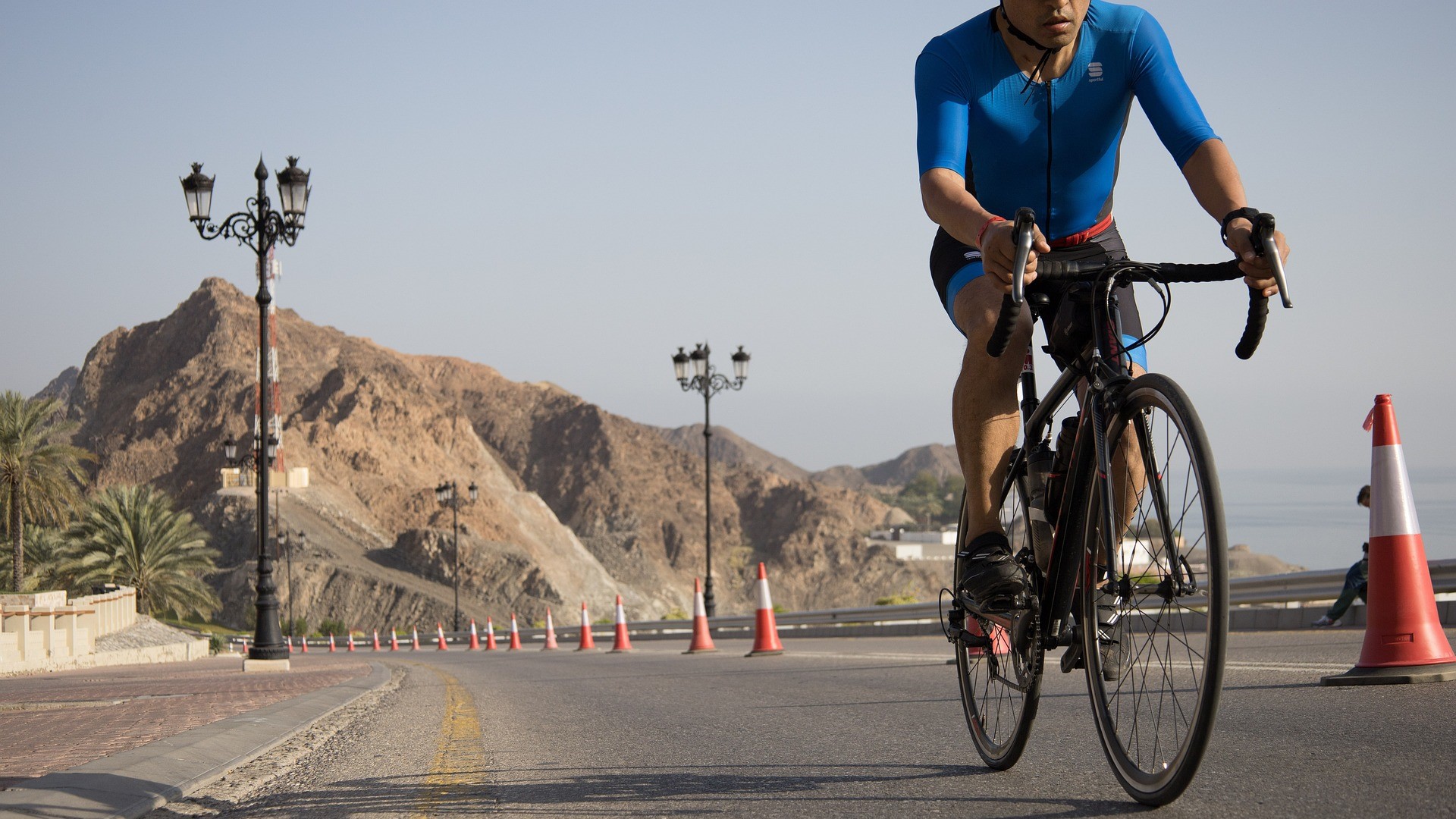
It is a moment every cyclist fears but few consciously register – the instant when the ground rushes relentlessly closer. A fall can happen out of the blue, whether on the hairpin descent from Sa Calobra, on Mallorca's uneven roads, or through an unexpected slip on the loose gravel of a remote farm track. Yet even though the island is a paradise for cyclists, dangers lurk that are both avoidable and manageable – with the right knowledge and good preparation. Anyone setting out to enjoy Mallorca's beauty must also understand the risks of riding through the terrain and know how to react correctly in the event of a fall. The path to fall prevention and proper first aid is not merely technical; it calls for a deep connection between rider, machine and surroundings.
Avoiding the Fall: The Invisible Traps of Tarmac and Nature
Mallorca is a patchwork of road surfaces – from butter-smooth tarmac winding gently through the hills of the Tramuntana to unforgiving cobblestones and unpaved tracks that put your bike to the test. One mistake many cyclists make is underestimating the condition of the roads. Even the most experienced rider can come unstuck on a surface they have misjudged. So one of the first lessons in fall prevention is this: know the road that lies ahead. Before every tour it is crucial to plan your route and be prepared for unforeseen obstacles. Tyre choice, tyre pressure and regular bike maintenance are the first lines of defence against an unwanted fall. A tyre made for tarmac behaves very differently on loose gravel, and too much pressure can act like a catapult over bumps.
But your riding itself also plays a central role. Many falls are caused by taking corners too fast. The temptingly beautiful hairpins on Mallorca, especially in the area around Sóller and Sa Calobra, invite you to push the pace, but anyone entering a bend too quickly risks losing control. A steady, even application of the brakes before corners is essential. Finding the ideal line while distributing braking force across both wheels gives you the grip you need and stops the bike from sliding out in the bend.
The Invisible Danger: Wet and Wind as Silent Companions
Mallorca may be sunny, but rain and wind are no rarity here either. Especially in the autumn months, when the rains set in suddenly and heavily, the roads turn into dangerous slides. Wet tarmac is treacherous – what appears harmless at first glance can lead to a dangerous fall in an instant. It becomes particularly slippery when rain mixes with leaves or oil on the road. The rule here: ride more slowly than usual, reduce your tyre pressure slightly and avoid abrupt steering or braking manoeuvres.
Wind is another factor that is often underestimated. Especially in Mallorca's open coastal areas it can appear suddenly and throw the bike off balance. Gusts that come without warning from the side force the rider to adapt in a split second. The best tactic here is to make yourself compact, keep your centre of gravity low and, in exposed areas such as the route along the coast at Cap de Formentor, always keep both hands firmly on the handlebars.
The Fall Has Happened: Stay Calm and Take Control of the Situation
Should a fall occur despite all precautions, how you behave in the first moment is decisive. The seconds after impact are the crucial time to assess injuries correctly and prevent the situation from escalating. First of all, stay calm and take a deep breath. The shock often prevents the rider from immediately recognising how serious the injury really is. Moving too quickly or acting frantically can make injuries worse.
Grazes are the most common injuries in cycling falls, especially on tarmac. Although they often appear harmless, they can be painful and prone to infection if not treated properly. The first step is to rinse the wound with clean water or, if available, with an antiseptic solution. Larger foreign bodies such as small stones or dirt should be carefully removed. A sterile wound dressing from your first-aid kit then offers initial protection against infection. A light disinfectant spray or antiseptic wipes should always be to hand – they prevent the wound from becoming infected by dirt or bacteria.
Sprains or bruises are another common consequence of falls, particularly at joints such as the wrist, knee or ankle. The pain often only sets in after the fall, once the muscles and tissue relax. Here the RICE method (Rest, Ice, Compression, Elevation) helps: the affected area should first be rested to avoid further strain. Immediate cooling with a cold pack, or improvised with cold water, reduces the swelling. A compression bandage can prevent the injury from worsening, while elevating the affected body part reduces blood flow and supports healing.
The Worst Case: Head Injuries and Fractures
Worse than grazes or sprains are head injuries, which always demand particular caution. A fall onto the head can have serious consequences, even if the rider is wearing a helmet. Helmets are life-saving, but they offer no guarantee of complete protection. If the fall involves an impact to the head, it is essential to watch immediately for signs of concussion or more serious injury. Symptoms such as dizziness, nausea, loss of consciousness or confusion are clear warning signs and require immediate medical help.
Fractures can also result from a heavy fall, particularly to the shoulders, arms and shins. Here the affected limb should be immobilised and moved as little as possible until professional help arrives. A makeshift splint or wrapping the arm in a jersey sleeve can serve as initial stabilisation.
Preventive Measures for Safe Riding on Mallorca
To stay safe on Mallorca's roads, it is crucial not only to know the right behaviour but also to do everything for your safety in advance. The right helmet, optimally fitted to your head and firmly strapped, is an absolute must. In addition, always carry a first-aid kit in your backpack or jersey pocket. A kit containing sterile dressings, disinfectant, plasters, a compression bandage and a cold pack is indispensable for emergencies.
Mallorca's varied terrain, from the coast to the mountains, offers beautiful but also demanding routes. For cyclists venturing onto unpaved tracks, special mountain bike pedals with better grip and more robust tyres are an advantage. You should also always have well-maintained brakes. Especially on the many descents, regularly checking the brake pads is crucial.
Another key factor for safety on Mallorca is visibility. Bright clothing and reflectors on the bike are essential so that drivers spot you early, both in daylight and at dusk. Especially on the narrow roads of the Serra de Tramuntana, where drivers and cyclists often share the carriageway, wearing reflective vests and bright colours can be decisive.
Back in the Saddle: Safety and Self-Confidence
Anyone who has fallen knows the uncertainty that can creep into the next ride. But knowing the most common sources of danger and being able to react correctly in an emergency restores the confidence you need. Every fall is a lesson, yet with the right preparation you can minimise the risk and preserve the joy of cycling.
Mallorca is a paradise for cyclists – and a paradise should be enjoyed, but always with care. The right equipment, mindful riding and knowing how to react in difficult situations make every tour safer. Because in the end it is not only the destination that counts, but also getting there safely – knowing that you have mastered the route and the road.