When Is the Best Time and Season to Visit Mallorca?
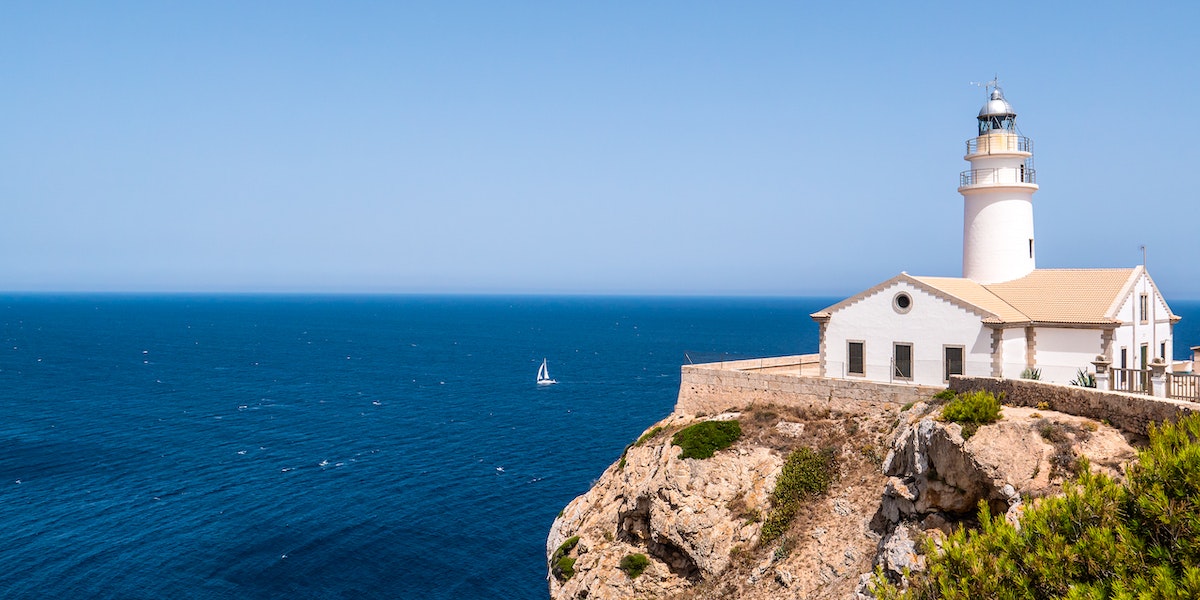
When is the best time to travel to Mallorca? It's a question many people ask when planning a visit. The simple answer is that any time is a good time to come, because the island enjoys a pleasant Mediterranean climate that makes it an excellent holiday destination all year round.
The answer isn't quite as straightforward as it first appears, though, because every season has its own advantages and drawbacks. So to decide when the best time to visit Mallorca really is, you need to consider not only the weather but also your own preferences and the kind of trip you have in mind. Below we explain everything you need to know about the best time to travel to Mallorca, with information not just on the weather but also on the best activities to enjoy on the island in each season. Don't miss a single detail, and decide when the best time is for you to visit Mallorca.
Weather and climate on Mallorca
Mallorca's geographical position, 300 km south of mainland Europe and 400 km north of the Sahara, gives the island significant climatic contrasts driven by European cold on one hand and Saharan heat on the other. As in other coastal regions, the sea also regulates the climate and prevents the sudden drops in temperature seen in continental areas. The result is that Mallorca enjoys a temperate subtropical climate. In other words, the climate is moderately dry, with light and infrequent rainfall. It also has many hours of sunshine each day, and more than 80% of days in the year are sunny. So even if a day turns rainy, there's a good chance you'll be enjoying the sun again just a few hours later.
Average temperatures on Mallorca
The average annual temperature is between 16 and 18 degrees Celsius. The highs are usually reached in summer, ranging between 29 and 30 degrees Celsius. This leads many people to assume the summer months are the best time to visit Mallorca. The lows, on the other hand, drop only to 5 or 9 degrees Celsius, so the winters are fairly mild. These mild winters are why many Europeans consider January and February in particular to be the best time to travel to Mallorca, as they offer a chance to escape the low temperatures on the continent for a few days.
In short, you can enjoy the outdoor life on the island almost all year round, and there's no time when a visit to Mallorca isn't worthwhile. Thanks to the mild temperatures, it's even pleasant to swim in the sea throughout the year. It's important to stress, however, that the presence of the Serra de Tramuntana gives the island a great deal of climatic variety inland. Talking about the weather in the south of Mallorca is therefore not the same as talking about the weather in the north. In fact, it's quite common to have days when the sun is shining on the beach while it's raining in the mountains.
Winter on Mallorca
The Mallorcan winter is mild. It begins around 22 December and lasts until 21 March. The average temperature during these months is between 11 and 17°C and rarely falls below 5 degrees Celsius. Frost occurs only in the island's mountain regions. Between December and March, rainfall is frequent, but it mostly falls in the north-west of the island, particularly in the Serra de Tramuntana. Even in winter, therefore, rain is fairly unusual in the coastal areas.
Spring on Mallorca
Spring begins on 21 March and ends on 21 June. During these months the chance of rain is fairly low, and the temperatures, both of the air and the sea, begin to rise and are pleasant on most days.
Summer on Mallorca
Summer officially begins on 21 June and officially ends on 22 September. Because of the particular character of Mallorca's climate, however, you could say that summer effectively begins in May and lasts until mid-October.
During the summer months, rainfall is rare. July and August are the months when the sky over the island is at its clearest, and it's also the time you're most likely to see the island's beaches lapped by a turquoise sea. The summer temperatures are warm, around 30 degrees Celsius. On extremely hot days in July, August and September, however, highs of up to 40°C can also be reached.
One distinctive feature of the Mallorcan summer is the large number of hours of sunshine, between 9 and 11 hours a day. This pleasant weather is why, for many, summer is the best time to visit Mallorca. Another quirk of summer on Mallorca is the Embat, a wind that blows from the coast inland and keeps the interior of the island at a pleasant temperature during the hottest months. This sea breeze has unique qualities that make the season ideal for certain sailing sports.
Autumn on Mallorca
Autumn begins at the end of September and ends in December. On Mallorca, however, it arrives a little later than in the rest of Spain because, as mentioned, summer lasts longer on the island. The rainiest time of year on Mallorca is autumn, with sporadic but frequent showers. Some years therefore see plenty of rainfall, while others bring drought. In wet years there are heavy downpours concentrated into short periods, meaning large amounts of water in a short time. This leads many people to think autumn isn't the best time to visit Mallorca. The reality, though, is that temperatures are still mild at this time and, on the island, the sun always returns after the rain.
The best time to visit Mallorca
Having looked at the climatic conditions in each season on Mallorca, it seems obvious that if you're after sun and beach and are focusing purely on the weather, the best season to visit is July and August. The hottest months are peak season, however, so there are a few drawbacks worth knowing about before you plan your trip. To choose the best time to travel to Mallorca, it also helps to understand the different tourist seasons on the island. Below we explain what each one is like.
Peak season
Peak season covers July and August. These are the sunniest months, and the chance of rain is almost nil. For many visitors, peak season is the best time to visit Mallorca. That said, plenty of people simply come during these months because that's when they have their holidays. During peak season there's therefore more of a tourist crush on Mallorca, so everywhere is much busier and prices are considerably higher. Besides sunbathing and diving into the Mediterranean, peak season is, as mentioned, the best time of year to head to Mallorca if you want to take up sports such as windsurfing or kitesurfing, since the Embat wind is blowing then.
Off-peak season
The so-called off-peak season runs from Easter to June and the months after peak season (September and October). This is when good weather and visitor numbers strike their best balance, so it's probably the best time to travel to Mallorca if you want fine weather but would rather avoid the crowds and high prices of peak season. June and September are just as good for beach and sunshine as July and August, but the beaches are far less crowded in these months. The pleasant temperatures of the off-peak season also make it the best time to travel to Mallorca if you fancy heading out into nature for cycling, canyoning, climbing and so on.
One of the wonders of this season is that you'll have most of the walking trails, sights and beaches of Mallorca to yourself. You can enjoy a side of Mallorca that's unknown to many of the people who visit us every summer. The downside of the off-peak season is that many restaurants and attractions close for holidays, especially those outside the capital. Many hotels are also shut at this time of year, but if you visit Mallorca at the ideal moment to experience the calm, you'll have no trouble finding a place to stay thanks to the island's huge choice of holiday homes.
Winter on Mallorca may not be the best time for a swim in the sea, although, as we've mentioned, a dip isn't impossible even at this time of year. It is, however, the best season for enjoying the island's scenery, both along the coast and in the mountains. This season is also the best time on Mallorca to enjoy the spectacle of the almond blossom from mid-January, when the almond trees flower and bathe the landscape in pink blooms. The cool temperatures and the beauty of the almond blossom make it, for many walking enthusiasts, the best time to visit Mallorca.
Choosing the best place to stay on Mallorca by season
As you can see, every season is ideal for arranging a holiday on Mallorca, and each one has its pros and cons. Bear in mind, too, that in the Serra de Tramuntana you'll find much cooler temperatures and a much wetter climate than on the coast.
With these two pieces of information you can decide which season best suits a trip to Mallorca according to your preferences. The same applies to accommodation. If you visit the island in peak season and prefer to escape the crowds and enjoy cooler temperatures, look for somewhere to stay in the north-east. If, on the other hand, you visit off-peak, you might prefer to stay in Palma, where you'll find more services and activities.
Once you've settled on the best time to travel to Mallorca, you'll have no trouble finding accommodation that suits you. Mallorca is a wonderful place for a cycling trip. If you're looking for a cycling holiday on Mallorca and want all the worry taken off your hands, seeing every highlight and enjoying excellent guides and support throughout your stay, look no further than our very own Emilio's Bike Hire Mallorca!
Overall, it's clear there's no single "best time" to visit Mallorca. The best time to travel depends on your personal preferences, your activities and the experience you're after. Weigh up the different seasons and climatic conditions before planning your holiday, so you can make the most of your stay on the beautiful island of Mallorca. Whether you're after sun and beach, outdoor activities, peace and quiet or cultural experiences, Mallorca has something for every taste all year round.